

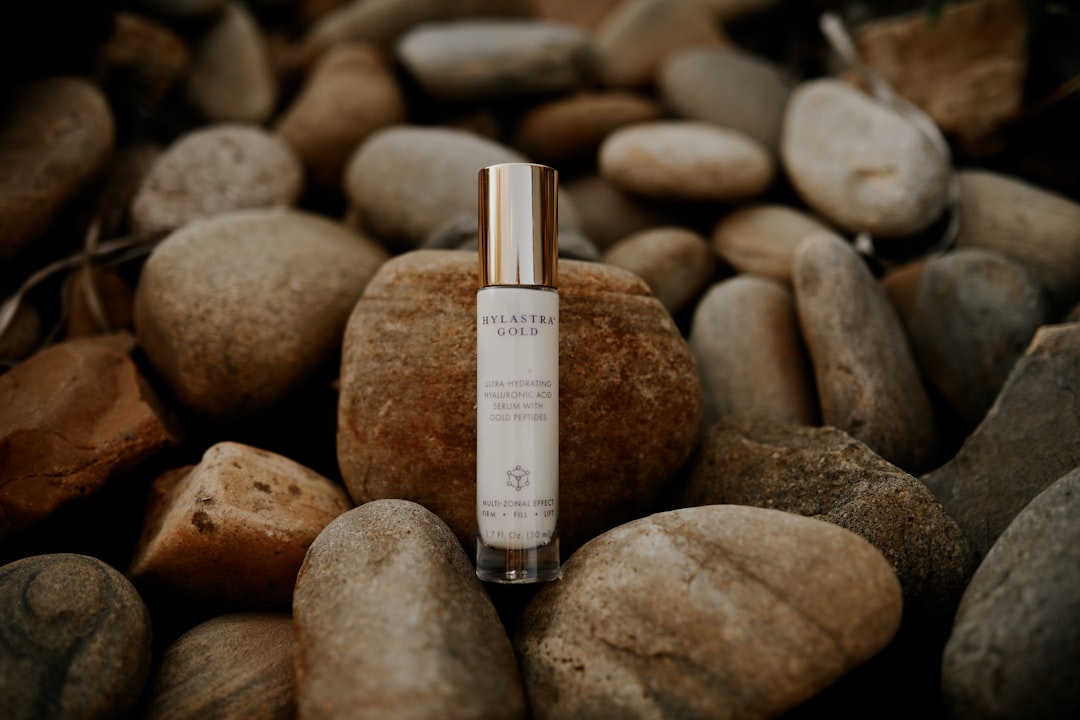
When we’re talking about skin health, hyaluronic acid (HA) pops up a lot. You’ve likely seen it advertised in serums or heard it mentioned in aesthetic clinics. But there’s a distinction often made between hyaluronic acid that our bodies naturally produce (endogenous) and the kind we apply or inject (exogenous). So, what’s the real difference in their value? In a nutshell, the value proposition is entirely different. Endogenous HA is fundamental to our skin’s internal structure and function, working from the inside out. Exogenous HA, on the other hand, offers topical benefits, like surface hydration, or structural changes through injection, but it doesn’t fundamentally alter our internal HA production or distribution system. Understanding this difference helps us appreciate what each type of HA actually does for our skin.
Think of your skin as a busy city, and endogenous hyaluronic acid is like the sophisticated water management system running throughout it. It’s not just a moisturizer; it’s an integral structural component that keeps everything functioning smoothly from the inside.
What It Is and Where It Comes From
Endogenous hyaluronic acid (HA) is a naturally occurring substance within our bodies. Chemically, it’s a glycosaminoglycan (GAG), which basically means it’s a long, unbranched chain of sugar molecules. It’s made by specialized cells in our skin called fibroblasts. These fibroblasts churn out HA as part of the extracellular matrix (ECM) – the stuff that surrounds our cells and gives tissues their structure.
Its Role in Skin Structure and Hydration
The magic of endogenous HA lies in its incredible ability to hold water – up to 1,000 times its weight. This is why it’s so crucial for maintaining skin hydration. It acts like a molecular sponge, drawing moisture from the environment and our bodies into the skin.
This hydration isn’t just about a dewy look; it’s vital for:
- Plumping the skin: The water retention helps to fill out the spaces between cells, making the skin appear fuller and smoother.
- Maintaining elasticity: Well-hydrated skin is more pliable and less prone to wrinkling.
- Supporting the ECM: HA is a key player in the ECM, contributing to its overall integrity and firmness. It helps to keep collagen and elastin fibers in their proper place, ensuring the skin’s structural support.
- Wound healing: Endogenous HA plays an active role in the repair process, aiding cell migration and proliferation.
The Natural Decline with Age
Unfortunately, as we get older, our fibroblast cells become less efficient. The production of endogenous HA starts to decrease, and the HA in our skin can begin to break down more rapidly. This decline is a significant contributor to the visible signs of aging, such as reduced hydration, loss of firmness, and the formation of wrinkles. Think of it as the city’s water system gradually degrading, leading to less efficient distribution and storage.
In exploring the differences between endogenous and exogenous hyaluronic acid, it is beneficial to consider the broader implications of hyaluronan in the body. A related article that delves into the essential role of hyaluronan as a body molecule can be found at this link: Hyaluronan is an Essential Body Molecule. This resource provides valuable insights into how hyaluronan functions within the body, further enhancing the understanding of its significance in various medical and cosmetic applications.
Exogenous Hyaluronic Acid: What We Apply or Inject
When we talk about exogenous HA, we’re referring to hyaluronic acid that’s introduced to the skin from an external source. This can be a serum you apply to your face, a cream you use, or even injections given by a professional.
Topical Application: Serums and Creams
This is the most common form of exogenous HA most people encounter. These products use HA molecules to draw moisture to the surface layers of the skin.
The Molecular Weight Matters
One of the key considerations with topical HA is the size of the molecule, often referred to as its molecular weight.
- High molecular weight HA: These are larger molecules. They tend to sit on the skin’s surface, forming a protective film that helps to prevent water loss. This can provide an immediate sensation of hydration and smoothness.
- Low molecular weight HA: These smaller molecules can penetrate deeper into the epidermis. There, they can also help to draw and retain water, contributing to hydration at a slightly deeper level than high molecular weight HA.
Limitations of Topical HA
While beneficial for surface hydration, topical HA has its limitations. Because the molecules are so large (even the low molecular weight ones), they generally don’t reach the dermis, where endogenous HA is most concentrated and plays its structural role. So, while it can hydrate the top layers and make skin feel softer, it doesn’t fundamentally rebuild or replenish the skin’s internal HA network. It’s more like adding a temporary reservoir of water to the surface, rather than a permanent upgrade to the city’s infrastructure.
Dermal Fillers: Injectable Hyaluronic Acid
Injectable HA, often found in dermal fillers, is a different ball game for exogenous HA. Here, HA is used as a volumizing agent.
How They Work Structurally
Dermal fillers are typically made of cross-linked hyaluronic acid. This cross-linking process makes the HA more stable and resistant to breakdown, allowing it to last in the skin for several months to over a year. When injected into the dermis, these gel-like fillers add volume directly to the tissue.
- Augmenting volume: This is essential for addressing areas where volume has been lost due to aging, such as the cheeks, lips, and under-eye hollows.
- Smoothing wrinkles: By filling in static lines and folds, they create a smoother appearance.
- Biocompatibility: Because HA is naturally found in the body, these fillers are generally well-tolerated and have a low risk of allergic reactions.
Duration and Reversibility
The effects of dermal fillers are temporary. Over time, the body gradually breaks down the cross-linked HA, and it needs to be replenished. This temporariness can be both a pro and a con, depending on your goals. Importantly, many HA fillers can be dissolved with an enzyme called hyaluronidase if adjustments are needed or if you wish to reverse the effects.
The Intrinsic Value of Endogenous Hyaluronic Acid
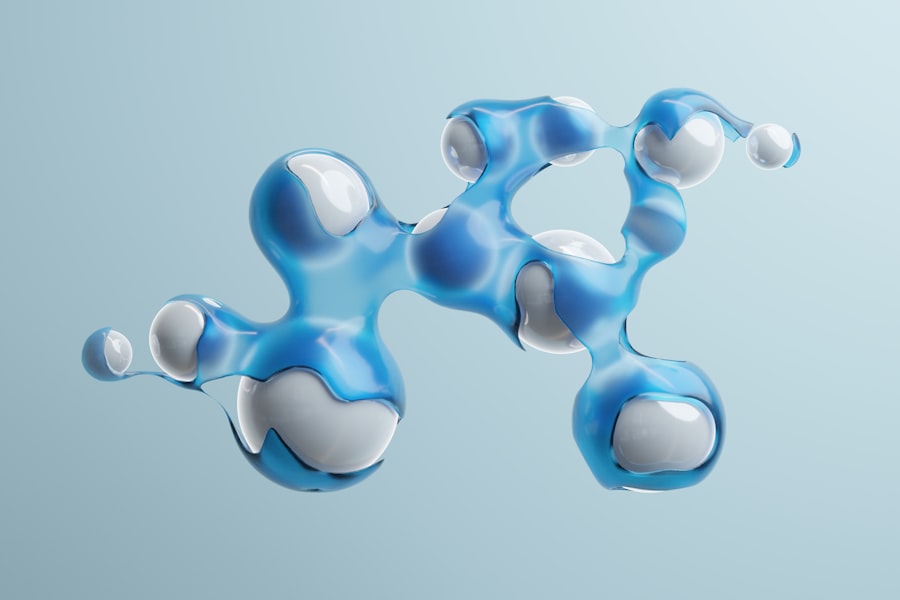
The “value” of endogenous HA is in its foundational role. It’s not something we can easily supplement directly in a way that mimics its internal production on a large scale and long-term.
Its Role as a Structural Backbone
Endogenous HA is a primary structural element in the skin. It’s not just a passive moisturizer; it actively participates in maintaining the skin’s physical architecture. Imagine the ECM as the scaffolding of a building. HA is a critical component of that scaffolding, providing the tensile strength and resilience needed to support the skin’s various layers and functions.
- Interactions with Collagen and Elastin: Endogenous HA works synergistically with collagen and elastin fibers. It keeps these structural proteins hydrated and arranged in a supportive network, preventing them from collapsing and contributing to sagging.
- Cellular Communication: Emerging research suggests that endogenous HA also plays a role in signaling pathways, influencing how skin cells behave and interact.
Contribution to Skin’s Youthful Appearance
The abundance and proper functioning of endogenous HA are directly linked to a youthful skin appearance.
- Turgor and Firmness: When endogenous HA levels are optimal, they contribute to skin turgor (the skin’s ability to spring back) and firmness, making the skin look plump and resilient.
- Reduced Wrinkle Pronunciation: Well-hydrated and structurally supported skin is less prone to developing deep wrinkles and fine lines. The plumpness from HA can soften the appearance of existing lines.
What Happens When It Decreases
As mentioned, the natural decline in endogenous HA synthesis with age is a significant factor in skin aging.
- Loss of Volume: Reduced HA means less internal hydration and support, leading to a hollowing or deflated look.
- Increased Sagging: The diminished ECM scaffolding contributes to the skin losing its structural integrity and beginning to sag.
- Dryness and Dullness: The skin’s ability to retain moisture from within is compromised, leading to a drier, less radiant complexion.
Examining the Practical Value of Exogenous Hyaluronic Acid
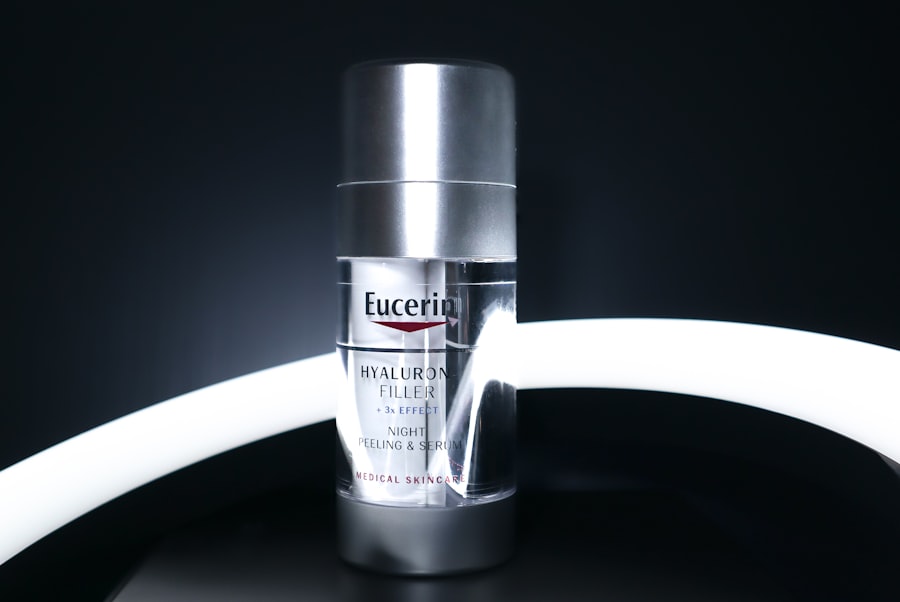
The value of exogenous HA is more about immediate benefits, targeted treatments, and managing the symptoms of declining endogenous HA, rather than a direct replacement for the body’s natural production.
Immediate Surface Hydration
The most direct and arguably most accessible value of exogenous HA lies in its ability to provide immediate surface hydration.
- Feeling of Softness: Applying a serum with HA can make the skin feel instantly softer and smoother. This is due to the humectant properties of HA, drawing moisture to the stratum corneum (the outermost layer of the skin).
- Temporary Plumping Effect: For the skin’s surface, this influx of water can create a temporary plumping effect, making minor fine lines related to dehydration less noticeable.
- Barrier Support: By providing surface hydration, topical HA can also help support the skin’s natural barrier function, which is crucial for protecting against environmental stressors.
Targeted Volume and Contour Restoration
Injectable HA fillers offer a different kind of value – the ability to restore lost volume and enhance facial contours.
- Volume Augmentation: This is invaluable for addressing age-related volume loss in areas like the cheeks, temples, and under the eyes. It can help to restore a more youthful facial structure.
- Lip Enhancement: Injectable HA is widely used to add subtle or significant volume to the lips, improving their shape and fullness.
- Correcting Static Wrinkles: Beyond superficial hydration, fillers can physically lift and smooth out deeper wrinkles and folds caused by volume loss, providing a more dramatic rejuvenating effect than topical treatments.
Supporting the Skin Through Treatments
Exogenous HA also plays a role in supporting the skin, particularly after professional aesthetic treatments.
- Post-Procedure Hydration: After treatments like chemical peels, microneedling, or laser therapy, the skin can be temporarily compromised and in need of enhanced hydration. Products containing HA can be beneficial in this recovery phase.
- Soothing and Comfort: The moisturizing properties can help soothe the skin and reduce any discomfort or tightness experienced post-treatment.
In exploring the differences between endogenous and exogenous hyaluronic acid, one can gain further insights by reading a related article that delves into the broader applications and benefits of hyaluronan. This article discusses how both forms of hyaluronic acid play crucial roles in various medical and cosmetic fields, enhancing our understanding of their unique properties. For a deeper dive into this topic, you can check out the informative piece available at Hyaluronan: A Comprehensive Overview, which provides valuable information on the subject.
The Interplay and Limitations: Why It’s Not a Simple Swap
| Comparison | Endogenous Hyaluronic Acid | Exogenous Hyaluronic Acid |
|---|---|---|
| Source | Naturally produced by the body | Derived from external sources (e.g. supplements, injections) |
| Effectiveness | May have longer-lasting effects | Immediate but temporary effects |
| Regulation | Regulated by the body’s natural processes | May require external regulation and monitoring |
| Risk of Side Effects | Lower risk of adverse reactions | Potential for allergic reactions or other side effects |
It’s tempting to think of exogenous HA as a direct replacement for declining endogenous HA, but the reality is more nuanced. They serve different primary functions, and each has its limitations.
Replacing Function vs. Mimicking Production
The fundamental value of endogenous HA is its role as an integral part of our skin’s biological machinery. It’s produced and replenished continuously by our own cells. Exogenous HA, whether topical or injectable, primarily mimics certain outcomes of endogenous HA (like hydration or volume) but doesn’t reboot the body’s entire HA production system.
- No Stimulation of Natural Production: Topical HA doesn’t typically stimulate fibroblasts to produce more HA. Similarly, injectable fillers are a temporary physical presence and don’t fundamentally alter the body’s own HA synthesis pathways.
- Biochemical Differences: While both are HA, the formulations of exogenous HA (especially fillers) often involve modifications like cross-linking to enhance stability and longevity, which aren’t present in naturally occurring HA.
The “More is Better” Fallacy
Just because HA is beneficial doesn’t mean applying large amounts or using multiple products with HA is always the answer.
- Topical Limitations: Applying numerous products with different molecular weights of HA might offer slightly more comprehensive surface hydration, but it’s unlikely to translate into significant changes in the dermis or a noticeable boost in endogenous HA production. The skin can only absorb and utilize so much at the surface level.
- Over-Reliance on Fillers: While effective for volume, an over-reliance on fillers without addressing overall skin health might lead to a less natural appearance or mask underlying issues related to the decline of endogenous support systems.
The Importance of a Holistic Approach
Ultimately, the most valuable approach to skin health involves understanding the roles of both endogenous and exogenous HA and integrating them wisely.
- Supporting Endogenous HA: Factors like a healthy diet rich in antioxidants and essential fatty acids, adequate hydration from within, stress management, and sun protection can indirectly support the skin’s ability to produce and maintain its own HA.
- Strategic Use of Exogenous HA: Using topical HA for daily hydration and considering professional treatments like fillers for targeted volume restoration and wrinkle correction, based on individual needs and goals, makes the most sense. This approach leverages the strengths of each type of HA effectively.
By understanding these distinctions, we can make more informed choices about how we care for our skin, appreciating the foundational work our bodies do with endogenous HA and recognizing the complementary benefits that exogenous HA can offer.
FAQs
What is the difference between endogenous and exogenous hyaluronic acid?
Endogenous hyaluronic acid is naturally produced by the body, while exogenous hyaluronic acid is derived from external sources such as supplements or injections.
What are the benefits of endogenous hyaluronic acid?
Endogenous hyaluronic acid plays a crucial role in maintaining skin hydration, joint lubrication, and eye health. It also contributes to wound healing and tissue repair.
How does exogenous hyaluronic acid differ in its benefits?
Exogenous hyaluronic acid is often used in skincare products and dermal fillers to provide additional hydration and plumpness to the skin. It can also be used in joint injections to alleviate pain and improve mobility.
Are there any risks or side effects associated with exogenous hyaluronic acid use?
While rare, potential side effects of exogenous hyaluronic acid use may include allergic reactions, redness, swelling, and bruising at the injection site. It is important to consult with a healthcare professional before using exogenous hyaluronic acid products.
Which type of hyaluronic acid is more effective for skincare and overall health?
Both endogenous and exogenous hyaluronic acid can be beneficial for skincare and overall health. Endogenous hyaluronic acid is essential for the body’s natural functions, while exogenous hyaluronic acid can provide additional support and benefits when used in skincare products or medical treatments.