

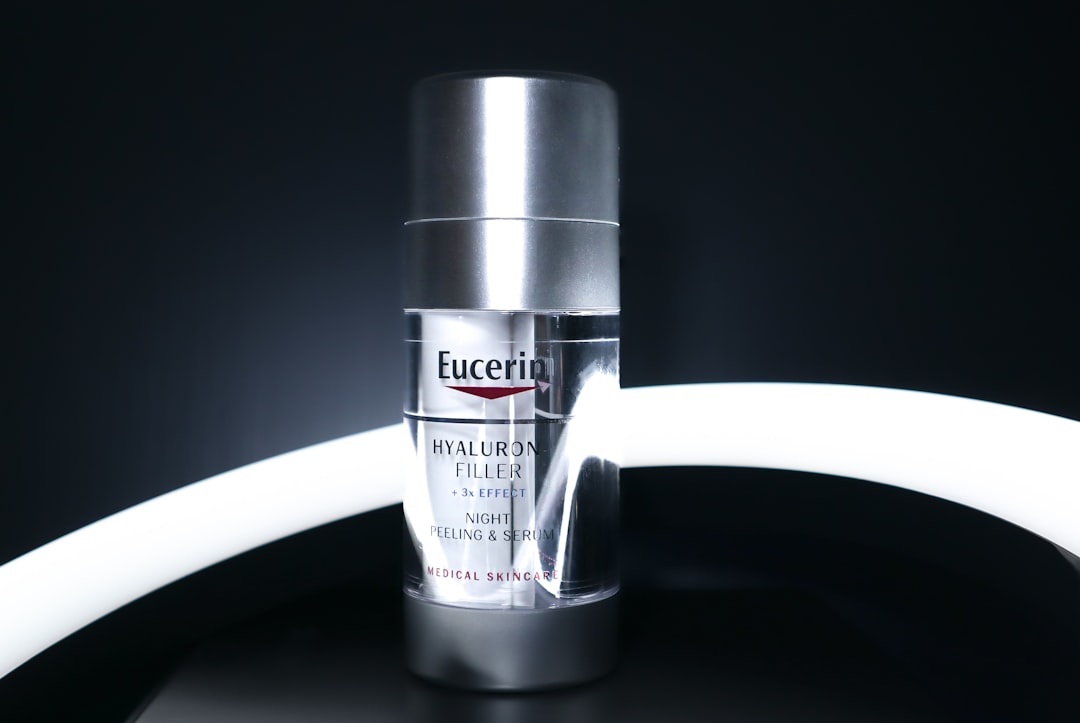
Alright, let’s get straight to it: hyaluronic acid won’t miraculously transform you into a dewy goddess overnight, and it’s not a magic anti-aging potion. But it can be a seriously helpful ingredient in your skincare routine. The internet, bless its heart, has fueled a lot of confusion around this popular humectant. We’re here to clear up some of those well-meaning, but often misguided, ideas so you can use it effectively.
The Hyaluronic Acid Hype: What It Actually Is (and Isn’t)
Hyaluronic acid (HA) gets a lot of airtime, and for good reason. It’s naturally found in our skin, joints, and eyes, and its primary job is to attract and hold onto water. Think of it like a tiny, thirsty sponge. This ability to retain moisture is why it’s such a star in skincare – it helps keep our skin hydrated and looking plump. But let’s be realistic from the start: it’s not a fountain of youth, nor is it a complex, living organism. It’s a carbohydrate molecule. Simple, yet effective.
It’s Not Really an “Acid” in the Traditional Sense
When you hear “acid” in skincare, you might immediately think of ingredients like alpha hydroxy acids (AHAs) or beta hydroxy acids (BHAs) that exfoliate your skin. Hyaluronic acid doesn’t work that way. It’s a polysaccharide, which is a type of sugar molecule. The “acid” part of its name refers to its chemical classification, not its function on your skin. It won’t exfoliate, peel, or cause sensitivity in the way exfoliating acids can. So, if you’ve been nervous to try it because of the name, you can set that worry aside.
Your Body Makes Its Own (But That Doesn’t Mean You Don’t Need More)
Yes, your body naturally produces hyaluronic acid. It’s crucial for everything from joint lubrication to eye health. However, as we age, our natural production of HA declines. Environmental factors like UV exposure and pollution can also degrade it. This is why supplementing with topical HA can be beneficial. It’s not about replacing what you have, but rather boosting your skin’s ability to retain moisture, which can diminish over time. Think of it like a refill, not a complete overhaul.
In the quest to understand the benefits and applications of hyaluronic acid, it’s essential to address the various myths and misconceptions surrounding this popular ingredient. For a deeper insight into the practical effects of hyaluronic acid, particularly in relation to joint health, you may find the article titled “A 4-Week Pilot Study: The Effect of Exogenous High Molecular Weight Oral Hyaluronic Acid Supplementation on Joint Pain Reduction in Rural Patients” particularly enlightening. This study explores the real-world implications of hyaluronic acid supplementation, providing valuable evidence that complements the discussion in “Demystifying Common Hyaluronic Acid Myths and Misconceptions.” You can read the article here: A 4-Week Pilot Study.
Size Matters: Understanding Different Molecular Weights
This is where things can get a bit technical, but it’s important for understanding how HA works and why different products might feel different on your skin. Hyaluronic acid isn’t a one-size-fits-all molecule; it comes in various molecular weights.
High Molecular Weight (HMW) HA: The Surface Hydrator
Traditional hyaluronic acid, or high molecular weight HA, has larger molecules. These molecules are too big to penetrate deeply into the skin. Instead, they sit on the surface, forming a breathable, hydrating film. This film acts like a magnet for moisture, drawing it from the surrounding air and temporarily plumping up the skin’s appearance. It’s great for immediate surface hydration and that temporary “dewy” look. If a product simply lists “sodium hyaluronate” or “hyaluronic acid” without specifying molecular weight, it’s most likely referring to HMW HA. It’s effective for what it does, which is surface-level moisture.
Low Molecular Weight (LMW) and Hydrolyzed HA: Deeper, Not Necessarily Better
Low molecular weight HA and hydrolyzed HA have been broken down into smaller fragments. The idea here is that these smaller molecules can penetrate a little deeper into the skin’s epidermis. The theory is that this allows for more sustained hydration and potentially a greater impact on skin elasticity over time. However, it’s not a magic bullet for wrinkles, and “deeper” penetration in skincare terms usually means just a bit further into the epidermis, not into the dermis where collagen is produced. Some studies even suggest that very low molecular weight HA might, in some rare cases, trigger a slight inflammatory response in very sensitive individuals, though this is not a widespread issue. The key takeaway is that both have their place, but “deeper” isn’t always unequivocally “better” without specific concerns.
Sodium Hyaluronate: Not a Different Ingredient, Just a Salt
You’ll often see “sodium hyaluronate” on ingredient lists. This is simply the salt form of hyaluronic acid. It’s more stable, less prone to oxidation, and has a smaller molecular size than pure HA, allowing it to penetrate slightly better. For all intents and purposes in your skincare routine, treat sodium hyaluronate and hyaluronic acid as interchangeable in terms of function – they both do pretty much the same thing, just with minor differences in stability and very superficial penetration depth. Don’t fall for marketing that tries to convince you one is vastly superior or different from the other.
The “Over-Humectant” Myth: When Too Much Good is Bad
This is a really common misconception, especially in dry climates. The idea is that if you use hyaluronic acid without sealing it in, or if the air is too dry, it will draw moisture from your skin instead of the air, causing dehydration.
HA Doesn’t “Steal” Moisture From Your Skin
Let’s clarify this: hyaluronic acid is a humectant. It attracts water. Its natural preference is to draw moisture from the environment. If the ambient humidity is higher than your skin’s moisture content, it will draw water from the air. If the air is very dry and your skin has more moisture than the air, it will still primarily draw from the air, but its ability to replenish your skin’s moisture from the environment will be limited. It doesn’t actively “steal” hydration from deeper layers of your skin and shuttle it out to the dry air to leave you parched. It just won’t be as effective at pulling new moisture in.
The Importance of Sealing It In (Especially in Dry Climates)
The real issue in dry climates isn’t that HA becomes a moisture bandit; it’s that it can’t perform its job effectively. If there’s no moisture in the air for it to pull, it won’t be able to deliver that hydrating boost. This is why layering is crucial. Apply HA to damp skin (this gives it immediate moisture to work with), and then follow it with an emollient or occlusive moisturizer. This creates a barrier that locks in the hydration HA has brought to the surface, preventing transepidermal water loss (TEWL) and allowing HA to keep your upper skin layers hydrated. Without that sealing layer, especially in dry conditions, the water HA attracts might just evaporate back into the air.
Not All HA Serums Are Created Equal for Dry Climates
Some HA serums are formulated with other humectants and a small amount of occlusive ingredients to mitigate this. But if you’re using a very simple, pure HA serum, the follow-up moisturizer is non-negotiable in dry environments. Think of your HA serum as applying a wet sponge to your skin – it needs something to keep that moisture from drying out.
Can HA Cause Breakouts? Sorting Fact from Fiction
For many, hyaluronic acid is a non-comedogenic dream ingredient. For a few, it seems to trigger breakouts. Let’s unpack why this might be the case.
HA Itself is Non-Comedogenic
Pure hyaluronic acid is generally considered non-comedogenic, meaning it won’t clog pores. It’s a simple sugar complex and doesn’t have the characteristics of ingredients that typically cause blockages, like certain heavy oils or waxes. So, if you’re experiencing breakouts after using an HA product, it’s highly unlikely that the HA itself is the culprit.
Breaking Down Common Triggers
The true reason for breakouts usually lies in the other ingredients within the formulation. Many HA serums are packed with other components.
- Silicones: Often used to give serums a smooth, glide-like texture, some silicones can be problematic for individuals prone to congestion, especially if not thoroughly cleansed.
- Emulsifiers: These are used to blend oil and water-based ingredients. Certain emulsifiers can be irritating or comedogenic for some skin types.
- Fragrance/Essential Oils: These are common irritants that can lead to inflammation and, consequently, breakouts, particularly in sensitive or acne-prone skin. Always check for these if you suspect a product is causing issues.
- Preservatives: While necessary, some individuals might react to specific preservatives.
- Too Rich a Formula: If you’re using an HA serum that’s also packed with heavy emollients or oils, and you apply a rich moisturizer on top, you might be over-moisturizing or overwhelming your pores, leading to congestion. It’s about the overall formula and how it interacts with your skin.
Patch Testing and Ingredient Scrutiny Are Key
If you introduce a new HA serum and start breaking out, don’t immediately blame the hyaluronic acid. Look at the full ingredient list carefully. Try patch testing new products on a small, less visible area of your face or neck for a few days to see how your skin reacts before applying it all over. This way, you can isolate potential triggers.
In the quest to understand the benefits and uses of hyaluronic acid, many people encounter various myths and misconceptions that can cloud their judgment. To further explore this topic, you might find the article on wrapping up the science behind hyaluronic acid particularly enlightening. It provides a comprehensive overview that complements the insights found in “Demystifying Common Hyaluronic Acid Myths and Misconceptions.” For more information, you can read the article here.
Hyaluronic Acid and Collagen: Not Partners in Crime
There’s a pervasive myth that hyaluronic acid somehow boosts or creates collagen. While both are crucial for youthful-looking skin, they operate in completely different ways.
HA Doesn’t Stimulate Collagen Production
Hyaluronic acid is a humectant. Its job is to attract and hold water, providing hydration and temporary plumpness to the skin’s surface. Collagen, on the other hand, is a structural protein that provides firmness and elasticity to the skin. HA does not have the biological mechanism to signal fibroblasts (the cells that produce collagen) to increase collagen synthesis. It simply cannot perform this function. Ingredients like retinoids, vitamin C, and peptides are known collagen stimulators; HA is not among them.
Why the Confusion? They Both Contribute to “Youthful Skin”
The confusion likely stems from the fact that both hyaluronic acid and collagen are abundant in young, healthy skin. As we age, both decline, leading to dryness, fine lines, and loss of firmness. When you apply HA topically, it hydrates the upper layers of the skin, temporarily smoothing out fine lines and making the skin appear plumper and more supple. This effect can be mistaken for actual collagen production, as it contributes to a more “youthful” appearance. But it’s an illusion of plumpness from hydration, not new collagen being built.
The Synergistic Effect of Hydration and Collagen
While HA doesn’t directly stimulate collagen, deeply hydrated skin generally functions better. Well-hydrated skin has a stronger skin barrier, which is essential for protecting against environmental damage that can degrade collagen. So, while HA isn’t a collagen booster, it creates an optimal environment for your skin’s overall health, which indirectly supports the longevity of your existing collagen. Think of it as creating a well-watered garden; the water doesn’t make the flowers, but it’s essential for them to thrive.
In conclusion, hyaluronic acid is a powerful hydrator and a valuable addition to most skincare routines. It’s effective at what it does: attracting and holding moisture in the skin, leading to a temporary plumping and smoothing effect. But it’s not a miracle cure-all. Understanding its true capabilities and busting these common myths will help you integrate it more effectively into your routine and set realistic expectations for its benefits. Don’t expect it to be an exfoliant, a collagen builder, or a moisture thief. Expect it to be a faithful, moisture-loving friend to your skin, especially when used correctly.
FAQs
What is hyaluronic acid and what does it do for the skin?
Hyaluronic acid is a substance that is naturally found in the human body, particularly in the skin, connective tissues, and eyes. It has the ability to hold a large amount of water, making it a key ingredient in skincare products for its hydrating and plumping effects on the skin.
Is hyaluronic acid only suitable for dry skin types?
Contrary to popular belief, hyaluronic acid is suitable for all skin types, including oily and acne-prone skin. It is a lightweight ingredient that provides hydration without clogging pores, making it suitable for a wide range of skin types.
Can hyaluronic acid be used with other skincare ingredients?
Yes, hyaluronic acid is a versatile ingredient that can be used in conjunction with other skincare ingredients such as retinol, vitamin C, and niacinamide. It is often found in combination with other active ingredients in skincare products to provide multiple benefits for the skin.
Does hyaluronic acid have any side effects or risks?
Hyaluronic acid is generally considered safe for topical use and has minimal risk of side effects. However, in rare cases, some individuals may experience allergic reactions or skin irritation. It is always recommended to patch test new skincare products containing hyaluronic acid before full application.
Can hyaluronic acid be used in both the morning and evening skincare routines?
Yes, hyaluronic acid can be used in both morning and evening skincare routines. It is a versatile ingredient that can be incorporated into various steps of a skincare routine, such as serums, moisturizers, and masks, to provide continuous hydration and plumping effects for the skin.