by comoweb | May 15, 2026 | Hyaluronic Acid
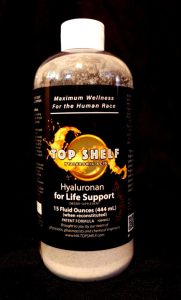
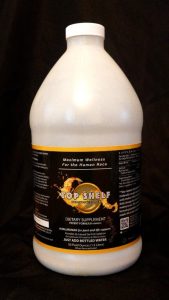
So, you’re looking to boost your business by selling hyaluronic acid, and you’re wondering if it’s a smart move? The short answer is a resounding yes! Loads of resellers are seeing serious growth by offering quality hyaluronic acid products....
by comoweb | May 1, 2026 | Hyaluronic Acid
You’ve likely seen “hyaluronic acid” popping up everywhere lately, especially when it comes to skincare and anti-aging. But beyond the hype, what’s the deal with this naturally occurring substance and its connection to living a longer,...

by comoweb | Apr 17, 2026 | Hyaluronic Acid
It typically takes about 8 to 12 weeks to start noticing benefits from hyaluronic acid supplements, though some improvements might be felt sooner, or take a little longer depending on individual factors and the specific concerns addressed. Think of it less like a...
by comoweb | Apr 3, 2026 | Hyaluronic Acid
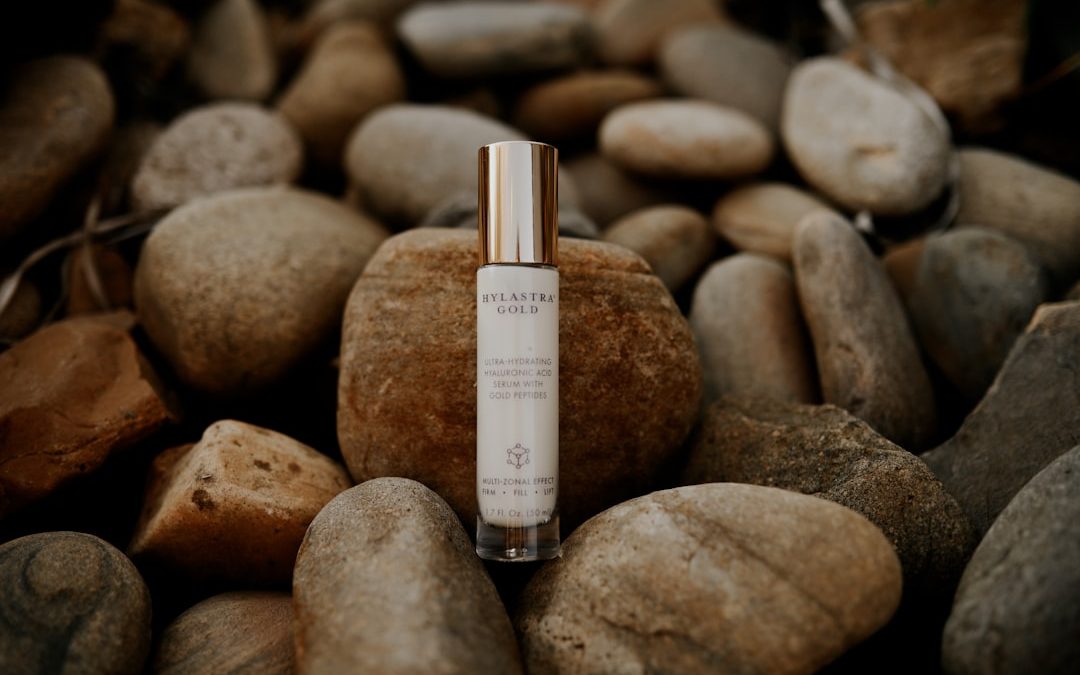
When we’re talking about skin health, hyaluronic acid (HA) pops up a lot. You’ve likely seen it advertised in serums or heard it mentioned in aesthetic clinics. But there’s a distinction often made between hyaluronic acid that our bodies naturally...
by comoweb | Mar 20, 2026 | Hyaluronic Acid
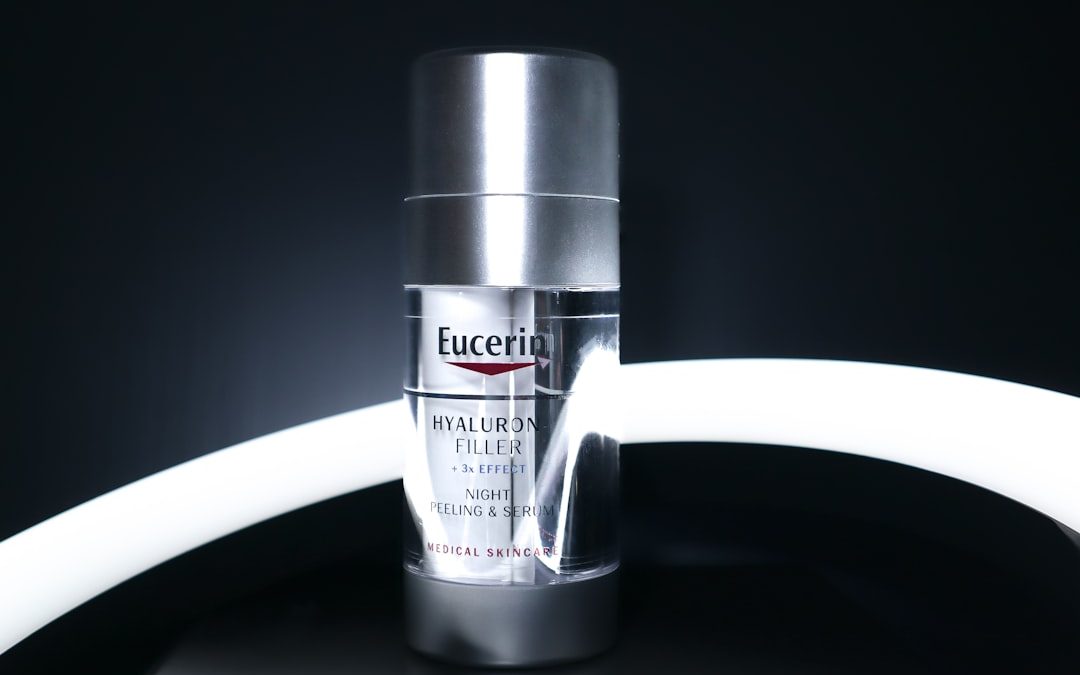
Alright, let’s get straight to it: hyaluronic acid won’t miraculously transform you into a dewy goddess overnight, and it’s not a magic anti-aging potion. But it can be a seriously helpful ingredient in your skincare routine. The internet, bless its heart,...
by comoweb | Mar 6, 2026 | Hyaluronic Acid
When considering hyaluronic acid (HA) supplements, a direct approach to selection is as crucial as understanding the science behind hydration. The market offers a diverse range of products, and discerning the truly effective ones requires a methodical evaluation. This...